
Why the Dentist Doesn't Have to Feel Scary Anymore
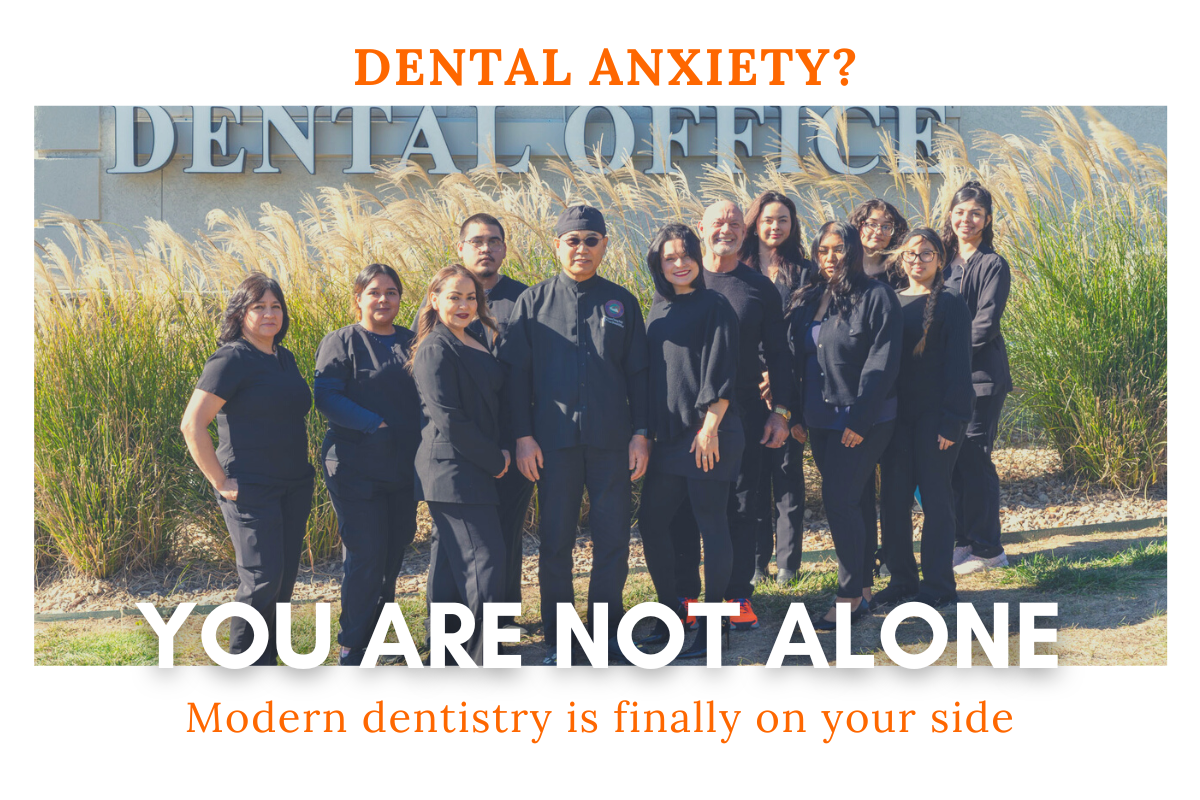
If just hearing the word "dentist" makes your shoulders tense up, you're not alone.
For a lot of people, dental anxiety traces back to real memories: the high-pitched whine of a drill, sitting in a waiting room not knowing what's coming next, or lying in a chair while someone pokes around your mouth without much explanation.
Those experiences were real. But here's the thing—dentistry itself has changed more in the last ten years than it did in the fifty years before that.
At State Avenue Dental Office, a family dentist in Kansas City, Kansas, we see patients every week who are genuinely surprised by how different things feel now. Let's walk through what's actually changed.
From Guessing to Seeing: Digital Diagnostics
Remember the old routine? The dentist holds up a tiny black-and-white X-ray, points at some gray blob, and says, "You've got a cavity here." You nod—even though you have no idea what you're looking at.
Today, we can do so much better.
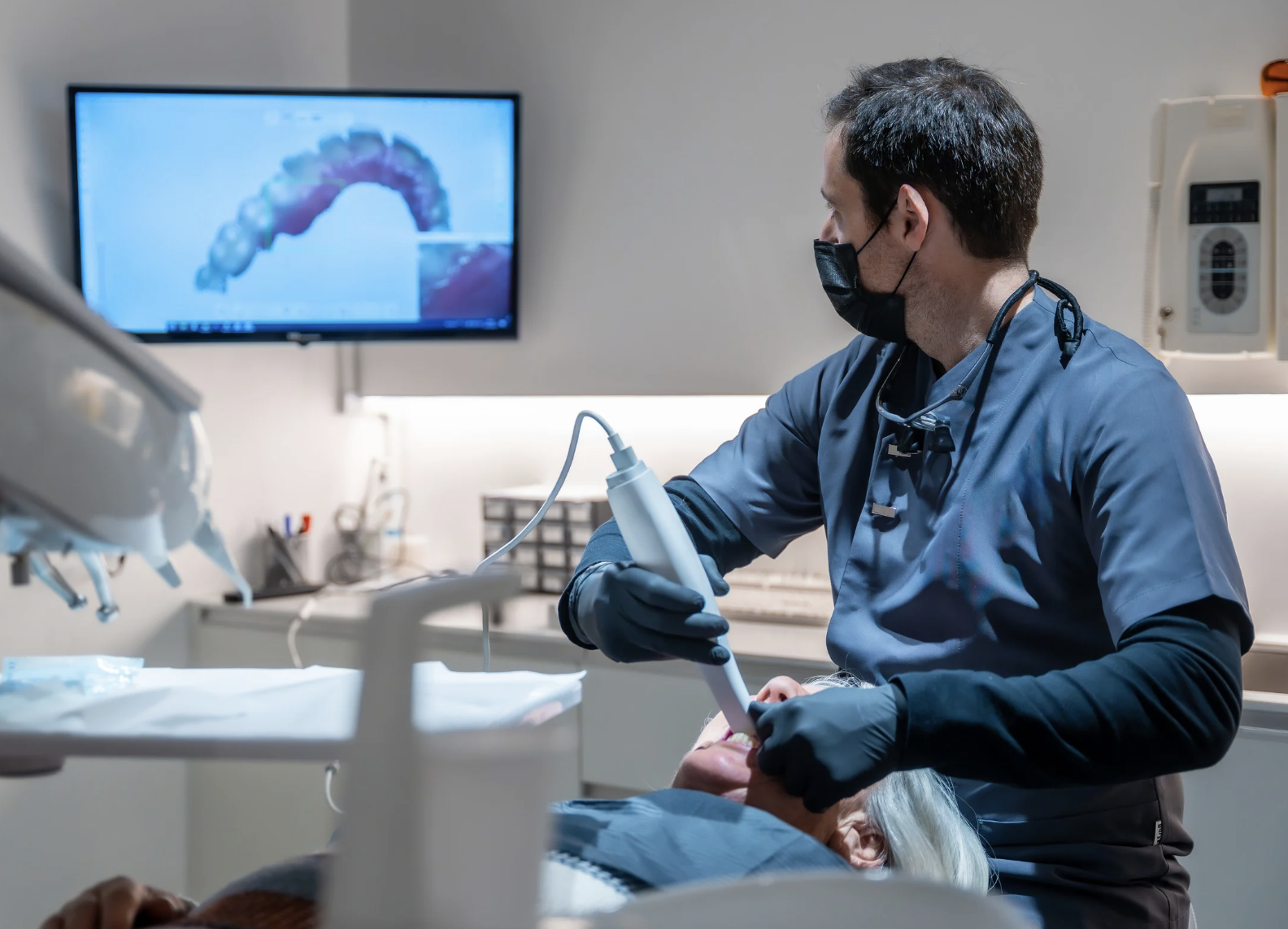
With digital imaging and 3D intraoral scanning, we show you exactly what's happening in your mouth—on a screen, in full color, in real time. You can see the crack in your tooth. You can see where decay is forming. You can even see simulations of what treatment results might look like.
When you can see what the dentist sees, your brain relaxes. It's no longer a mystery. You're not blindly agreeing to something—you're making an informed decision together with your dental team.
Minimally Invasive Dentistry: Less Drilling, More Preserving
"Is this going to hurt?"
That's the question underneath most dental anxiety. And it's a fair one.
Modern dentistry has moved toward minimally invasive techniques—fixing problems while preserving as much of your natural tooth as possible.
What does that look like?
Dental lasers handle certain procedures with less discomfort and faster healing
Air abrasion systems gently remove decay—think of it like a tiny sandblaster instead of a drill
Smaller, more precise instruments mean less vibration, less noise, and less removal of healthy tooth structure
The result? Less drilling. Reduced need for numbing in very small cavities. Teeth that stay stronger longer.
We're not here to "attack" your tooth. We're here to respect it and treat only what truly needs treatment.
Your Nervous System Remembers—And We Know That
Dental anxiety isn't just "in your head." Your body stores memories. The smell of antiseptic, the sound of suction, the feel of a dental chair—these things can trigger stress before anyone even touches your mouth.
That's why we've designed our space and approach around your comfort:
Soft lighting instead of harsh fluorescent glare
Calming environment that doesn't smell like a hospital
A team trained to explain clearly and check in with you throughout
Questions like: "Would you like a short break?" and "Are you feeling anything at all?"
Your comfort isn't an afterthought. It's built into the treatment plan.
Practical Tips If You're Nervous

Tell us upfront. "I'm anxious" is one of the most helpful things you can say.
Start with a conversation. You can schedule a visit just to talk and look around—no drilling, no needles.
Ask questions. "Will this hurt?" "How long will this take?" These are all fair game.
Know you can stop anytime. Raise your hand, and we pause. No questions asked.
Being nervous doesn't make you a difficult patient. It makes you human.
Ready When You Are
If you've been avoiding the dentist because of anxiety, we get it. And we're not here to guilt you about it.
But when you're ready to take that step—even if it's just a conversation to start—we'd love to hear from you.
Give us a call at State Avenue Dental Office. Let's figure out together what you need and how we can make this as comfortable as possible.
No pressure. No judgment. Just good care, at your pace.