
Gum Health After 40: Why Your Gums—Not Just Your Teeth—Protect Your Smile
If you're over 40 and still measuring dental success by "no cavities," here's something worth knowing:
Your teeth are only as strong as what's holding them up.
At State Avenue Dental Office, we've watched this story unfold for years. Someone takes great care of their teeth, skips over their gums, and one day a tooth feels loose—even though it "looked fine." It happens more than you'd think.
Let's talk about what changes after 40, what most people don't realize, and what actually helps.
Why Do Gums Become Harder to Manage After 40?
As we age, our body's healing response shifts. Hormones change. Stress builds up. And gum inflammation? It becomes easier to trigger and slower to calm down.
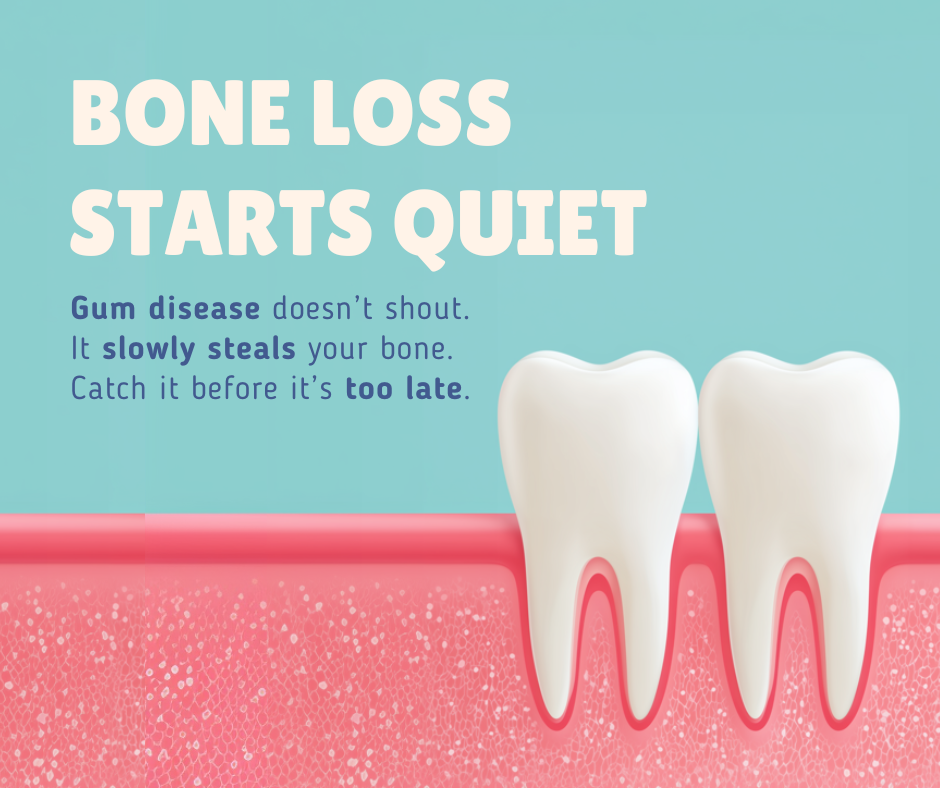
Here's the tricky part: gum disease often doesn't hurt early on. Bone loss can happen quietly, which is why many people don't realize anything's wrong until it's progressed.
What most people don't know: Gum tissue can recover from early inflammation (gingivitis) with good care. But once bone loss begins (periodontitis), that bone doesn't grow back on its own. This is why catching it early matters so much.
The Warning Signs Most People Miss
Bleeding when you brush? That's the one everyone knows. But here are subtler signs that often get overlooked:
Gums that look "longer" — your teeth aren't growing; your gums are receding
A tooth that feels slightly different when you bite down — even without pain
Persistent bad breath that doesn't go away with brushing
Spaces developing between teeth that weren't there before
Gums that look shiny or puffy instead of firm and stippled (like orange peel texture)
If you notice any of these, it's worth getting checked—not in six months, but soon.
The 24-Hour Rule You Should Know About
Here's something that changed how many of our patients think about flossing:

Plaque starts hardening into tartar within 24 to 72 hours.
Once it hardens, you can't brush or floss it off—only a professional cleaning can remove it. That's why daily interdental cleaning isn't optional after 40. Missing even a couple of days in a row can let plaque calcify in hard-to-reach spots.
What "Pocket Depth" Means (and Why It Matters)
During a gum exam, we measure the space between your gums and teeth. Here's the quick breakdown:
1–3mm: Healthy range. Easy to clean at home.
4mm: Early warning zone. Plaque can hide here, but it's manageable with good habits.
5mm+: Harder to clean on your own. Professional intervention usually needed.
7mm+: Significant bone loss likely. More intensive treatment required.
Why this matters: A 5mm pocket doesn't hurt. It doesn't look different. But bacteria thrive in that deeper space, slowly breaking down bone. Knowing your numbers helps you understand your real risk level.
What Makes Gum Inflammation Worse?
The usual suspects—but with context most people don't hear:
Stress: Raises cortisol, which suppresses immune response and increases inflammation. Stress also leads to clenching and grinding, which puts extra pressure on already-compromised gums.
Smoking: Reduces blood flow to gum tissue, so your body can't fight infection or heal as well. Smokers often don't see bleeding gums—because the blood flow is already restricted—which masks the problem.
Medications that cause dry mouth: Antihistamines, antidepressants, blood pressure meds, and many others reduce saliva. Saliva is your mouth's natural defense system. Less saliva = higher risk.
Diabetes: The two-way relationship is well-documented. High blood sugar feeds harmful bacteria; gum infection makes blood sugar harder to control.
For Women: The Hormone-Gum Connection

This doesn't get talked about enough:
Hormonal shifts during perimenopause and menopause can directly affect gum health. Estrogen helps maintain bone density—including the bone around your teeth. As estrogen drops, some women experience:
Increased gum sensitivity
Dry mouth
Faster bone loss around teeth
If you're in your 40s or 50s and noticing gum changes you never had before, hormones may be part of the picture.
Is Gum Disease Linked to Heart Disease or Dementia?
You'll see bold claims online. Here's the honest answer:
Gum disease is associated with higher risk of conditions like heart disease and diabetes. But researchers are still sorting out how much is direct cause versus shared risk factors like smoking, diet, and chronic inflammation.
One connection that's clearer: The bacteria involved in gum disease (particularly P. gingivalis) have been found in arterial plaque and even in brain tissue in Alzheimer's research. Does that prove causation? Not yet. But it's enough reason to take gum health seriously.
Bottom line: Your gums matter beyond your mouth—without overstating the science.
The Gum Care Routine That Actually Works After 40
Brushing matters. But after 40, interdental cleaning is the real difference-maker—because plaque hides where brushes can't reach.
Here's what we recommend:
Floss or interdental brushes (brushes work especially well for wider spaces between teeth—common as gums recede)
Water flosser (great for bridges, implants, deeper pockets, or if you just hate string floss)
Electric toothbrush with a pressure sensor — many people brush too hard, which accelerates recession. A pressure sensor protects you from yourself.
Professional cleanings every 3–6 months (your pocket depths and risk factors determine the right interval)
Pro tip: If you're only going to add one thing, make it the interdental brush or water flosser. The difference in plaque removal between "brushing only" and "brushing + interdental cleaning" is significant.
Nutrients That Support Gum Health (Often Overlooked)

Diet matters more than most people realize:
Vitamin C: Essential for collagen production, which keeps gum tissue strong. Deficiency leads to weakened, bleeding gums.
Vitamin D: Supports bone health and immune function. Low levels are linked to higher rates of gum disease.
CoQ10: Some research suggests it supports gum tissue healing, though more studies are needed.
Omega-3s: Anti-inflammatory properties may help reduce gum inflammation.
You don't need supplements if your diet covers these—but it's worth paying attention.
The Truth We Tell Our Patients
Teeth can be replaced. Gums and bone? Not so much.
Modern dentistry—crowns, implants, bridges—can do remarkable things. But here's what people don't always hear: implants need healthy bone and gums to succeed. If you lose teeth to gum disease and the bone has deteriorated, implants become more complicated, more expensive, or sometimes not possible without grafting.
Protecting your gums now protects your options later.
If you're 40 or older and want to protect your smile long-term, remember this:
Oral health after 40 isn't protected by time. It's protected by habits.
Ready for a Clear Starting Point?
If you'd like to know where your gums actually stand—your pocket depths, your risk factors, and a realistic plan you can stick with—give us a call. As a trusted dentist in Kansas City, Kansas, We are here to help and welcome patients in English, Korean, and Spanish.