
7 Essential Questions to Ask Your Dentist Before Saying Yes to Treatment

We've all been there. You're in the dental chair, the dentist is pointing at something on your X-ray, using words like "occlusal surface" and "interproximal decay," and you're thinking, "I should probably ask what that means, but... I'll just nod."
Here's the thing: The best dental outcomes happen when patients speak up.
Patients who ask questions before treatment tend to be more satisfied with their results, better at following aftercare instructions, and less likely to feel surprised by costs or outcomes.
So let's talk about the seven questions that actually matter — not to challenge your dentist, but to become a true partner in your own care.
1. "Is this urgent, or can we keep an eye on it?"
Not everything that shows up on an X-ray needs immediate drilling.
A small cavity that's just starting? Sometimes monitoring it every six months and improving your home care can prevent the need for a filling altogether. A crack in your tooth? Depending on depth and symptoms, it might need urgent attention or just regular observation.
What to listen for in the answer: Your dentist should explain what happens in both scenarios — treating now versus monitoring — without making you feel guilty for asking.
Good dentists categorize findings clearly:
Act now — there's a risk of infection or rapid progression
Schedule soon — it needs attention but timing is flexible
Monitor — we'll watch it at your next checkup
The point isn't to avoid treatment you need. It's to understand why the timing matters.
2. "What are my other options?"
Here's a truth that surprises people: There's rarely just one way to solve a dental problem.
A cracked molar? Depending on severity, you might have options ranging from a filling to a crown to extraction and implant. Crowded teeth? Traditional braces, clear aligners, or sometimes targeted cosmetic work.
Each option has different:
Upfront and long-term costs
Time requirements
Aesthetic outcomes
Durability expectations
A good dentist will walk you through at least two viable approaches and help you match the solution to what matters most to you — whether that's budget, speed, appearance, or longevity.
When patients understand their choices, they're far more likely to follow through with treatment and feel confident about their decision.
3. "What exactly are you putting in my mouth, and why?"
Modern dentistry offers remarkable material options — different filling composites, various ceramics for crowns, multiple implant systems. Each has trade-offs.
Ask about:
Durability (will this last 5 years or 20?)
Aesthetics (will it match my other teeth?)
Biocompatibility (any concerns for sensitivity or allergies?)
Cost differences
Look for explanations in everyday terms: "This composite is great for front teeth where appearance matters most. For back molars where you're grinding hard, this other material holds up better over time."
You're not being difficult by asking. You're making sure what goes into your body makes sense for your life.
4. "What will this cost me over time — not just today?"

A $500 treatment today that needs replacement in three years might actually cost more than a $1,200 option that lasts fifteen years.
Smart questions to ask:
What's the typical lifespan of this treatment?
What kind of maintenance does it need?
What usually needs repair or replacement first?
How do my habits (grinding, clenching, diet) affect longevity?
Too many patients choose based solely on today's price tag, then feel frustrated when maintenance costs surprise them later. Getting the real total cost upfront helps you plan accordingly.
5. "Why do I need this X-ray right now?"
X-rays are valuable diagnostic tools — they reveal cavities between teeth, bone loss, infections below the gumline, and problems hiding from the naked eye.
But you're absolutely allowed to ask:
What specifically are we looking for?
How does this X-ray change my treatment plan?
Given my dental history, how often should I expect X-rays?
Different patients need different frequencies. Someone with a history of cavities and inconsistent home care might benefit from annual X-rays. Someone with excellent oral health and low risk factors might go 18-24 months between imaging.
Evidence-based guidelines should be tailored to your individual situation — never "just because it's been a year."
6. "What happens if something goes wrong?"
Dental work is incredibly reliable, but it's still healthcare. Sometimes a filling chips, a crown doesn't quite feel right, or healing takes longer than expected.
Before you agree to treatment, understand:
What kind of follow-up is included?
If adjustment is needed, is there an additional charge?
What's the timeframe for warranty or redo coverage?
Good dental practices stand behind their work because they're invested in your long-term outcome, not just today's procedure. If something isn't right, they want to know about it and make it right.
7. "What can I realistically expect — and what can't this fix?"
This might be the most important question of all.
Dentistry can accomplish incredible things: restore broken teeth, eliminate pain, dramatically improve appearance. But it can't reverse gum disease damage that's already occurred, can't stop you from grinding at night (though it can protect against it), and can't prevent future problems if home care doesn't improve.
A trustworthy dentist will discuss:
What will improve (pain, function, aesthetics)
What has limits (pre-existing bone loss, gum recession)
How your daily habits directly impact outcomes
Realistic expectations lead to higher satisfaction. When you know what to expect, you're rarely disappointed.
One More Thing: Tell Your Dentist What Matters to You
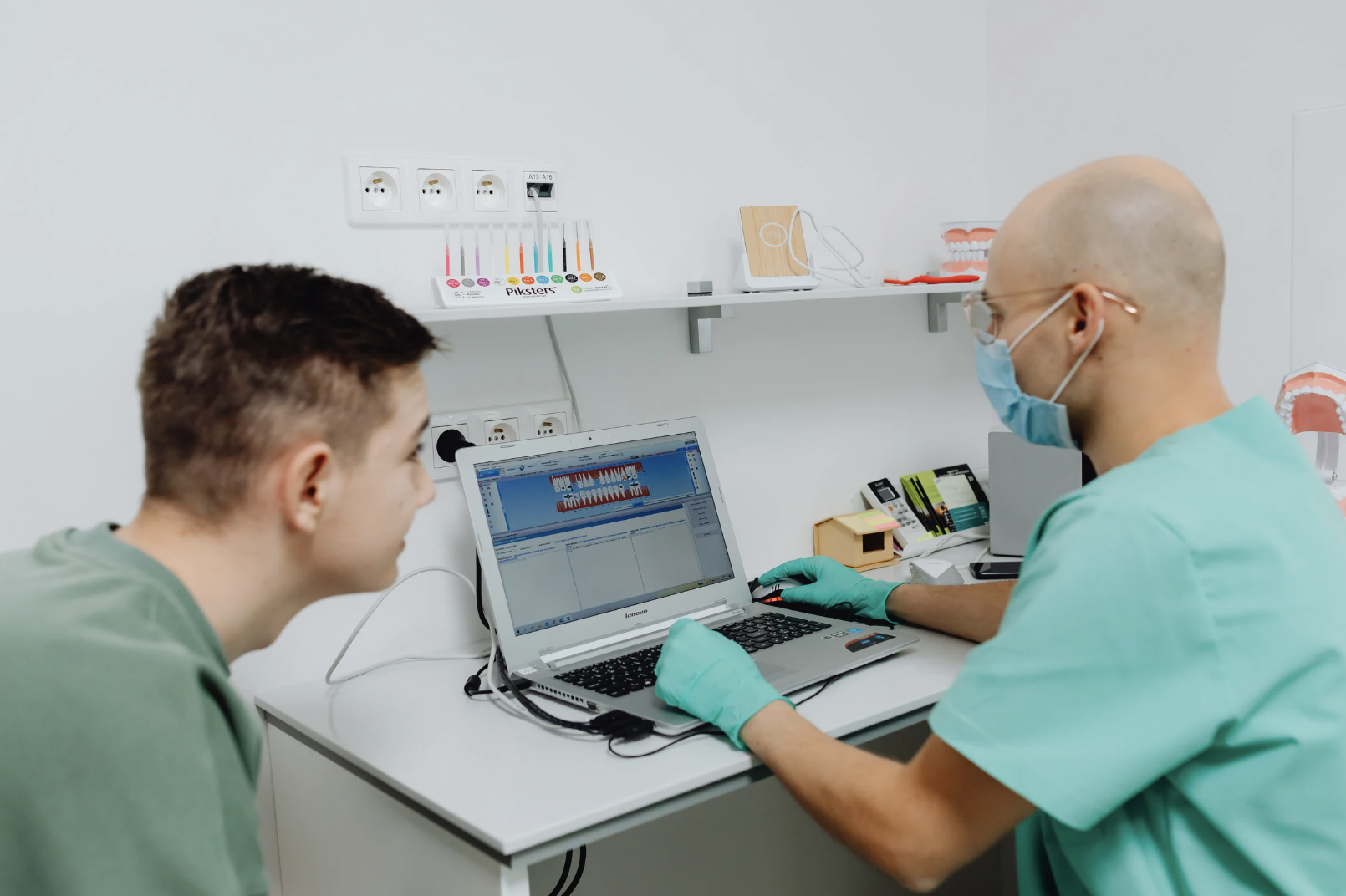
Along with asking questions, share information that helps your dentist help you:
Your budget range — Dentists can't read minds. If you say, "I want to stay under $X," they can focus on options that work for you rather than presenting the premium approach first.
Past dental anxiety or bad experiences — This helps adjust communication style, pacing, and approach to numbing. There's no judgment, only adjustment.
Language preference — Some offices, like State Avenue Dental Office on State Avenue in Kansas City, Kansas, care for patients in Korean, English, and Spanish. Understanding your care means understanding the words being used.
These Questions Aren't Pushy — They're Essential
Some patients worry that asking questions makes them seem difficult or distrustful.
The opposite is true.
When you ask good questions, you help your dentist give you better care. You catch potential misunderstandings before treatment starts. You build a real partnership based on transparency, not just authority.
Dental treatment starts with trust. Real trust is built through honest conversation — questions included.
Looking for a Dentist in Kansas City, Kansas Who Welcomes Your Questions?
If you're searching for a dentist who treats your questions as part of the care process — not an interruption — State Avenue Dental Office serves families throughout KCK and the Kansas City metro.
We offer family, cosmetic, and restorative dentistry with transparent treatment planning in Korean, English, and Spanish.
Whether you're new to the area, haven't seen a dentist in a while, or just want a second opinion on a treatment plan, give us a call.
Let's have an actual conversation about your dental health — questions and all.