
Why Your Jaw Hurts in the Morning
You feel fine all day. You go to bed with no complaints. And then you wake up with a jaw that feels like it ran a marathon overnight.
If that’s a familiar pattern, you’re not imagining it — and you’re not alone. What you’re likely experiencing is the result of nighttime teeth clenching or grinding, known clinically as sleep bruxism. It’s one of the most underdiagnosed sources of dental damage we see at State Avenue Dental Office, and most people have no idea it’s happening until the symptoms start stacking up.
The Daytime vs. Nighttime Difference
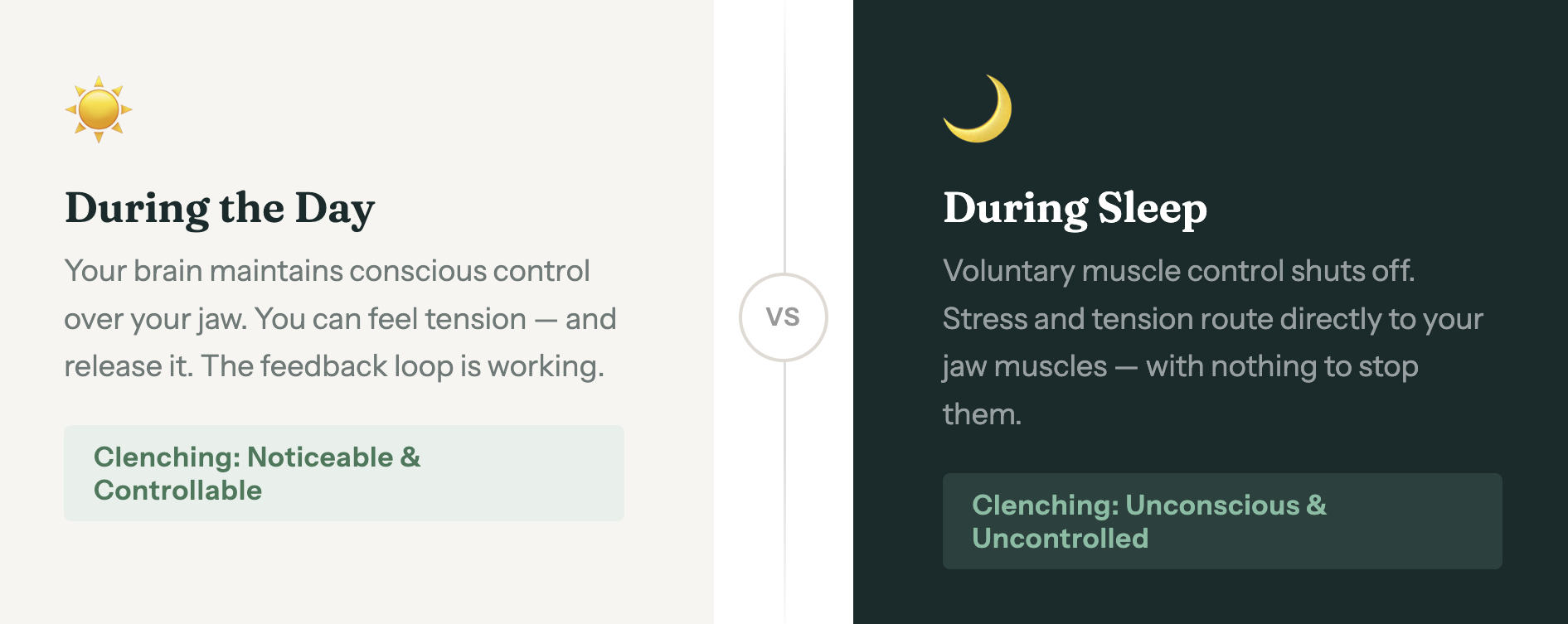
During the day, your jaw is under conscious control. Even if you’re tense or stressed, some part of your brain is keeping a check on your muscles. You might catch yourself clenching and consciously relax. That feedback loop exists.
At night, it doesn’t.
When you fall asleep, voluntary muscle control hands the wheel over to your nervous system. If you’re carrying stress, anxiety, or accumulated physical tension, your jaw muscles don’t get the memo to clock out. Instead, they keep working. Hard.
Sleep bruxism typically occurs during lighter stages of sleep, and the forces involved are not subtle. The average person chews with roughly 20–40 pounds of pressure. During sleep grinding, that number can climb to 250 pounds per square inch — forces your teeth and surrounding bone were simply not designed to absorb night after night.
What’s Actually Happening to Your Teeth and Jaw
Tooth Wear
Enamel — the hardest substance in your body — erodes under sustained, excessive force. Over time, teeth become shorter, surfaces flatten, and chewing edges take on a worn, almost polished appearance. This is not reversible.
Micro-Cracks (Craze Lines)
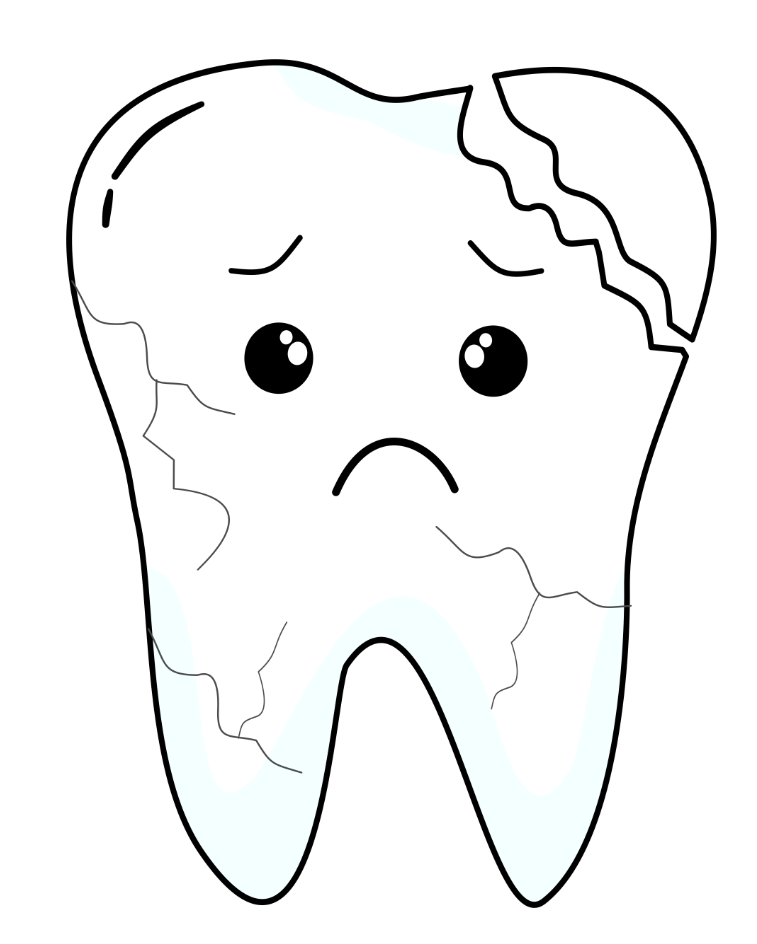
The repeated stress of grinding creates hairline fractures in the enamel. These don’t always cause immediate pain, but they compromise structural integrity and become pathways for sensitivity, staining, and eventually more significant fractures.
Jaw Muscle Fatigue and Pain
Your masseter muscles are among the strongest in the body relative to their size. When they work through the night without rest, you wake up with the dental equivalent of post-workout soreness. That’s the tight, achy jaw you feel every morning.
TMJ Involvement
In more advanced cases, sustained pressure affects the temporomandibular joint itself. This can manifest as clicking, popping, limited range of motion, or referred pain into the neck, ears, and temples.
Why Stress Is the Engine (But Not the Whole Story)
Stress is the most commonly cited trigger for bruxism — and the research supports it. But it isn’t the only driver. Other contributing factors include:
Sleep Disorders: Sleep apnea and bruxism have a well-documented association. In some cases, grinding is the body’s response to a partial airway obstruction — a physiological attempt to reopen the airway. Treating the apnea sometimes resolves the grinding.
Caffeine and Alcohol: Both affect sleep architecture in ways that increase bruxism episodes. Caffeine in the afternoon, and alcohol — despite feeling like a relaxant — disrupts REM sleep and increases muscle activity.
Certain Medications: SSRIs and some psychiatric medications are associated with higher rates of bruxism. If symptoms appeared after starting a new medication, that connection is worth raising with your physician.
Bite Misalignment: When upper and lower teeth don’t come together evenly, the jaw may shift during sleep in ways that create or worsen grinding patterns.
Genetics: There’s a meaningful hereditary component to bruxism. If it runs in your family, your susceptibility is higher.
Warning Signs You Shouldn’t Brush Off
Bruxism is a slow accumulator. The damage builds over months and years before most people realize something has been wrong for a long time.
• Morning jaw stiffness or soreness — especially in front of your ears, along the jaw
• Headaches that begin at the temples upon waking
• Teeth that look shorter or more “flat” than they used to
• Increased tooth sensitivity, particularly to cold
• Chipped or cracked teeth without a clear cause
• A partner reporting they can hear you grinding
• Jaw clicking or popping when opening or closing
• Facial muscle tension coming from the sides of your face
What We Can Actually Do About It
Night Guards (Occlusal Splints)
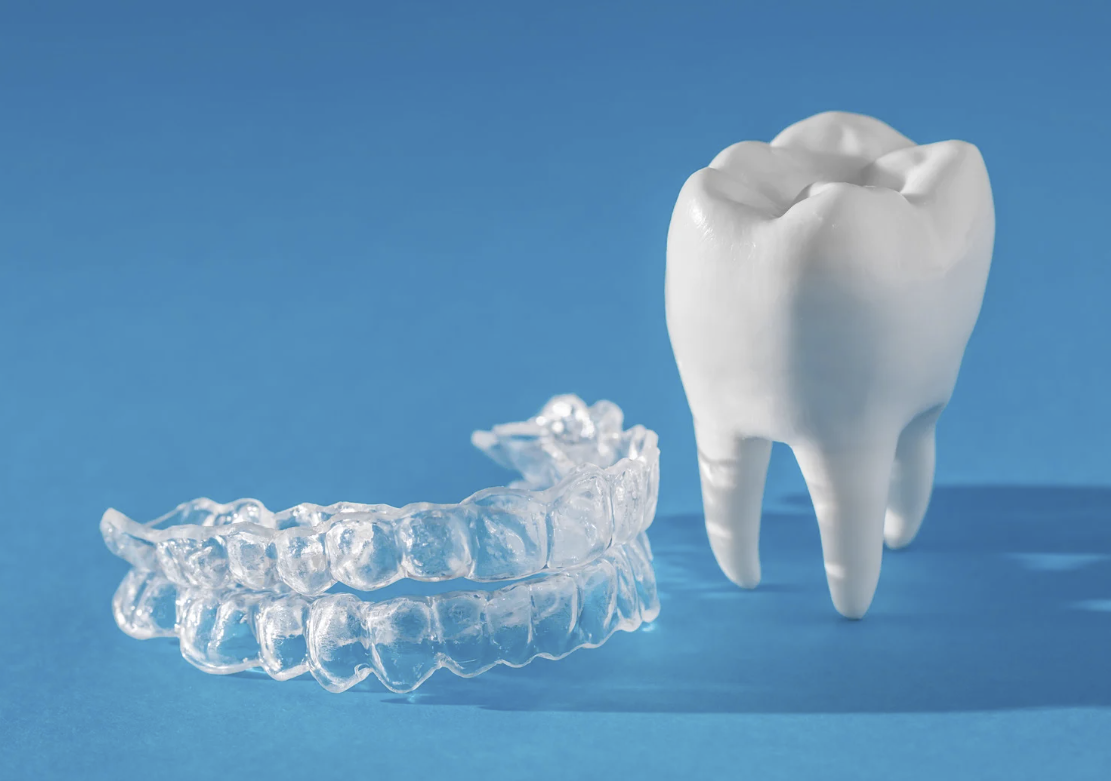
A custom-fitted night guard is the most widely used, clinically validated first-line treatment. It absorbs and redistributes the forces of clenching so they don’t land directly on your enamel. Important distinction: over-the-counter drugstore guards are not the same. They’re made from soft material that can actually encourage more clenching and rarely fit well enough for real protection.
Botox for Jaw Muscle Tension
Small, targeted injections of botulinum toxin into the masseter muscles significantly reduce the force of involuntary contractions. The result is less pressure on teeth and a dramatic reduction in morning soreness. Effects typically last 4–6 months and can be maintained with repeat treatments. Many patients find this to be the most immediate and noticeable relief they’ve experienced.
Lifestyle Modifications
Reducing caffeine after noon, limiting alcohol, building a genuine wind-down before sleep, and identifying chronic stress sources are all meaningful. Jaw stretches and relaxation exercises targeting the masseter can reduce nighttime muscle tension for some patients.
Sleep Apnea Evaluation
If there’s any suspicion that airway issues are contributing (heavy snoring, daytime fatigue), a sleep study or referral may be appropriate. Treating the underlying apnea can have a meaningful effect on bruxism.
Frequently Asked Questions
Why does my jaw only hurt in the morning, not during the day?
Because that’s when you’re doing the damage — during sleep, when you have no conscious control over your jaw muscles. Daytime awareness lets you catch and correct clenching. Nighttime does not.
Is teeth grinding dangerous?
Over time, yes. Chronic bruxism causes permanent enamel loss, tooth fractures, TMJ damage, and chronic facial pain. The earlier it’s addressed, the less total damage occurs.
Can a night guard stop teeth grinding?
A night guard doesn’t stop the grinding behavior — it protects your teeth from the damage grinding causes. For some patients, reducing the sensory feedback from tooth contact also reduces clenching intensity over time.
Does Botox for jaw clenching hurt?
The injections are well-tolerated by most patients — similar to any cosmetic Botox procedure. Results are typically noticeable within 1–2 weeks as the masseter gradually reduces in force.
A Note from Our Practice
We’ve been serving patients as a dentist in Kansas City, Kansas since 2003, and sleep bruxism is one of those conditions we catch in nearly every comprehensive exam — often before the patient has connected their morning symptoms to what’s happening with their teeth.
Morning jaw pain is a signal, not just a nuisance. The damage is quiet and cumulative, and the window to address it before it becomes a restorative problem is worth using.
Give us a call. We’ll take a real look, show you what we see, and talk through the options that make sense for your situation.
📍 State Avenue Dental Office — Kansas City, KS (KCK) 🗣 English • Korean • Spanish