
Finished Braces? Retainer Care Is What Keeps Your Smile Straight in Kansas City
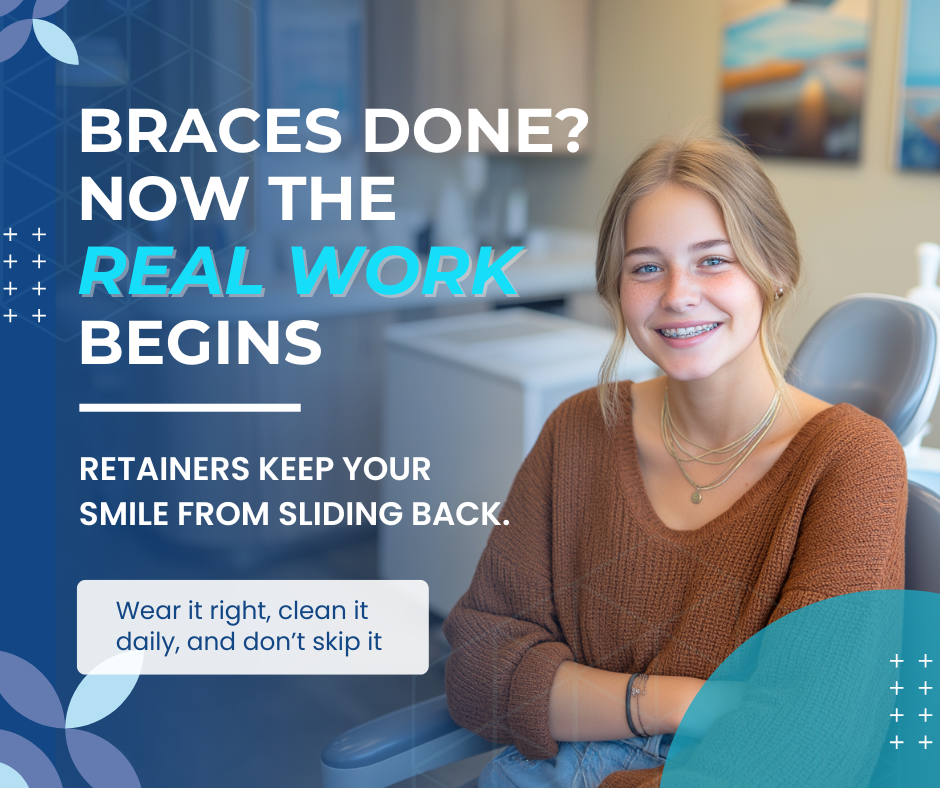
You put in the work.
All those orthodontic appointments, the adjustments, maybe a few rubber bands you "forgot" to wear... and finally, treatment day arrived. Braces off. Aligners done. You walked out with the smile you'd been waiting for.
So now what?
At State Avenue Dental Office, we hear this question all the time: "I'm finished with orthodontics—does that mean I'm done for good?"
Here's the honest answer from someone who's spent two decades in dental care: your retainer is where the real results happen. Braces move your teeth. Your retainer keeps them there.
The Science Behind Why Teeth Shift
To understand why retainers matter so much, it helps to know what's actually happening inside your mouth after orthodontic treatment.
Your teeth aren't fused directly to bone—they're held in place by a network of tiny fibers called the periodontal ligament (PDL). During orthodontic treatment, these fibers stretch and compress as teeth move into new positions. But here's the thing: those fibers have memory. They want to spring back.
At the same time, the bone around your teeth is actively remodeling. Old bone breaks down on one side of the tooth while new bone forms on the other. This process, called bone remodeling, takes anywhere from 4 to 6 months to stabilize—and in some cases, even longer.
The first year after treatment is when relapse risk is highest. Without consistent retainer wear, teeth can drift back toward their original positions gradually, often without you noticing until your bite feels off or spacing starts to reappear.
Understanding Your Retainer Type
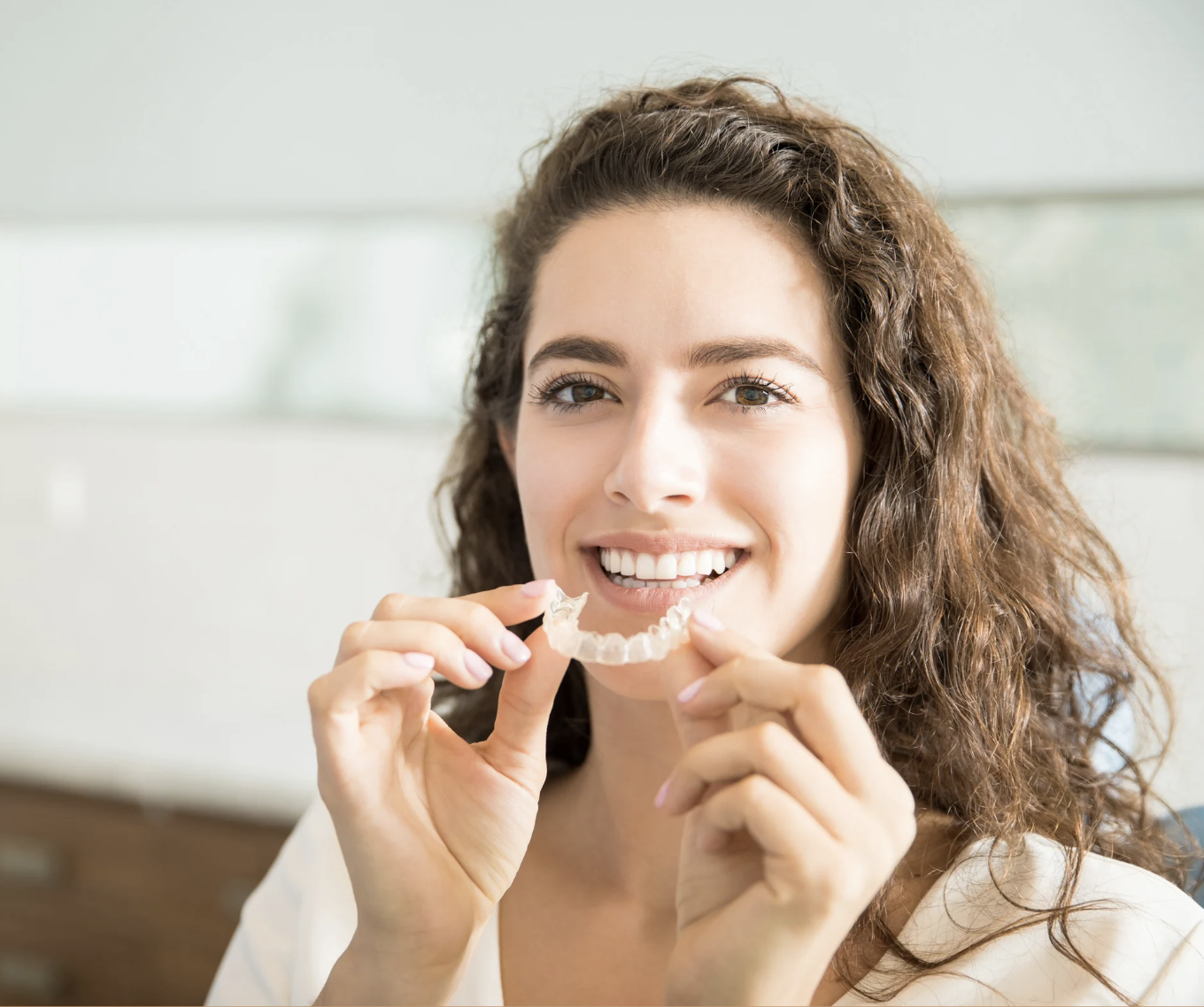
Not all retainers work the same way, and knowing what you're wearing helps you care for it properly.
Hawley Retainers – The classic design: acrylic base with a metal wire across the front teeth. These are durable, adjustable, and easy to clean. The trade-off? They're more visible and can feel bulky at first.
Clear Plastic Retainers (Essix-style) – These look similar to Invisalign trays. They're nearly invisible and comfortable, but they're also more fragile. Heat, grinding, and improper storage can warp or crack them faster than you'd expect.
Bonded (Permanent) Retainers – A thin wire glued to the back of your front teeth. You don't have to remember to wear it—but you do have to be diligent about flossing around it. Plaque buildup and tartar are common issues if hygiene slips.
Each type has pros and cons. Your orthodontist recommended yours based on your bite, your tooth movement history, and your lifestyle. Trust that recommendation—and ask questions if you're unsure why.
What Does a Good Retainer Routine Look Like?
You'll find all kinds of advice online—some helpful, some unnecessarily rigid. The truth is, retainer schedules vary based on your specific case.
That said, a general framework looks something like this:
First 3–6 months: Near full-time wear, removing only for meals and cleaning. This is when your periodontal fibers are most active and relapse risk peaks.
Months 6–12: Gradual transition to nighttime wear. Your bone is stabilizing, but teeth can still shift if the retainer is neglected.
Year two and beyond: Many patients settle into wearing their retainer a few nights per week. Some need more; some need less.
Here's what I tell patients: your retainer should feel snug but not painful. If you skip a few nights and it feels tight when you put it back in, that's your teeth telling you they've already started to move.
Retainers Do More Than Hold Teeth in Place
One thing people overlook: retainers also help your bite settle properly.
After months of tooth movement, your upper and lower teeth need time to find their new resting relationship. This is called occlusal settling, and it's a normal part of the post-treatment process.
If you've dealt with clenching, grinding (bruxism), or jaw tension during or after treatment, wearing your retainer can actually support a more comfortable transition. Some patients even notice their TMJ symptoms improve once they commit to consistent nighttime wear.
The Cleaning Habit Most People Skip
Let's be real—retainer hygiene isn't glamorous. But skipping it leads to problems you'll definitely notice.
Retainers sit in a warm, moist environment for hours at a time. That's ideal for bacterial growth. Without regular cleaning, you're looking at:
Biofilm buildup – that slimy feeling when you haven't cleaned it in a while
Odor – bacteria produce sulfur compounds; your retainer will smell (and so will your breath)
Gum irritation – especially with Hawley retainers that contact soft tissue
Discoloration – clear retainers turn yellow or cloudy over time
A simple daily routine prevents all of this:
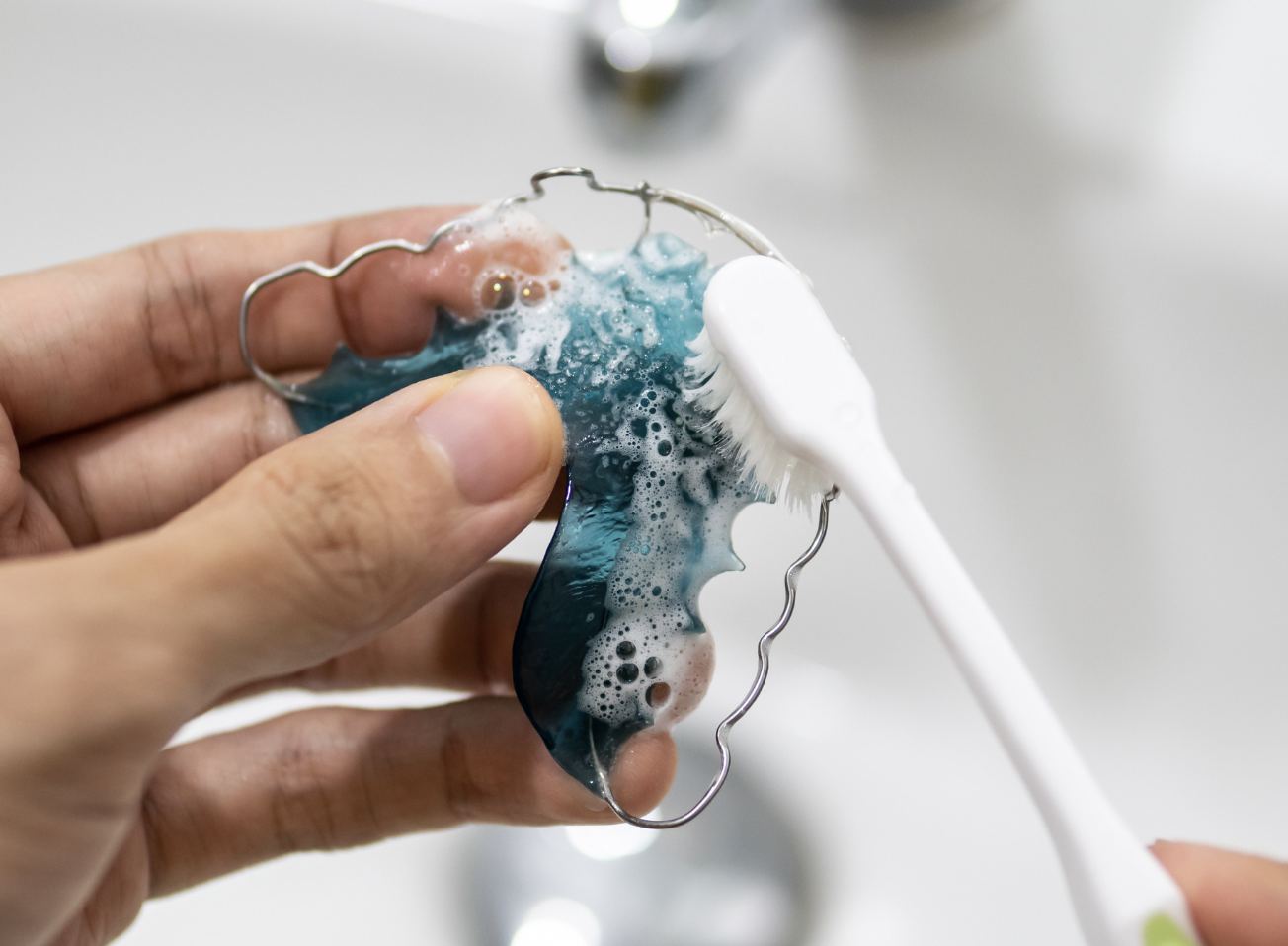
Rinse with lukewarm water every time you remove it
Brush gently with a soft brush (not your regular toothbrush—dedicate one to your retainer)
Avoid hot water at all costs; it warps thermoplastic materials quickly
Use a retainer cleaning solution or non-abrasive denture cleaner weekly
Store it in its case when not in use—not wrapped in a napkin (trust me, we've heard the "I accidentally threw it away" story more times than we can count)
Common Questions About Retainers
"My retainer feels tight after a few days off. Is that bad?"
It means your teeth have already shifted slightly. The good news: if you catch it early, consistent wear can often guide them back. Don't force a retainer that causes significant pain—but don't abandon it either. Reach out to your dental or orthodontic office if tightness doesn't improve within a few days of regular wear.
"Can I stop wearing my retainer after a year?"
Most people benefit from some level of lifelong maintenance wear. Here's why: teeth naturally shift as we age due to changes in bone density, gum tissue, and even the way we chew. This is called mesial drift, and it happens whether or not you've had orthodontic treatment.
A few nights a week is a small commitment compared to retreatment costs—or watching years of progress slowly disappear.
"What if my retainer cracks or breaks?"
Don't wait. Even a small crack can change how the retainer fits, and an ill-fitting retainer won't hold your teeth properly. Contact your dental office for a replacement as soon as possible. In the meantime, wear it if it still fits—something is better than nothing while you wait.
What Really Matters
Orthodontic treatment doesn't really end the day your braces come off. The finish line is the habits you build afterward—and the retainer is at the center of that.
Think of it this way: braces were the investment. Your retainer is the insurance policy.
If you have questions about retainer care, cleaning routines, or how your bite is settling post-treatment, we're always happy to talk it through. As a trusted dentist in Kansas City, Kansas, State Avenue Dental Office is here to help you protect that smile for the long haul.
Give us a call—we'd love to help you keep that smile exactly where it belongs.